Buy raumplanung.eu ?
We are moving the project
raumplanung.eu .
Are you interested in purchasing the domain
raumplanung.eu ?
domain@kv-gmbh.de · 0541-91531010
Buy raumplanung.eu ?
What is sustainability?
Sustainability is the ability to meet the needs of the present without compromising the ability of future generations to meet their own needs. It involves finding a balance between social, economic, and environmental factors to ensure that resources are used in a way that preserves them for the long term. This can include practices such as reducing waste, conserving natural resources, and promoting renewable energy sources. Overall, sustainability aims to create a world where people and the planet can thrive together for generations to come. **
What distinguishes strong sustainability from the normal concept of sustainability?
Strong sustainability goes beyond the traditional concept of sustainability by emphasizing the importance of maintaining the integrity of natural systems and the well-being of future generations. It recognizes that certain natural resources and ecological processes are irreplaceable and cannot be substituted by human-made alternatives. Strong sustainability also prioritizes the protection of biodiversity and the resilience of ecosystems, rather than solely focusing on reducing environmental impacts or achieving short-term economic gains. In essence, strong sustainability requires a more holistic and long-term approach to environmental and social stewardship, placing a greater emphasis on intergenerational equity and the preservation of essential ecological functions. **

Similar search terms for Sustainability
Top-Angebote
Products related to Sustainability:
-
ClearBags "#10 Policy Premium Envelopes, Natural 4 1/8"" x 9 1/2"" 50 pack"Natural, Premium Opaque Envelopes feature a smooth and uniform print surface delivers rich and vibrant colors. Natural, Premium Opaque Envelopes provide uncompromising quality and excellent value. FSC and SFI-Certified and endorsed by the Rainforest...27,56 $*Shipping: 0,00 $Secure redirect to the provider
-
Playful Picks Intelligent Escaping Toy Interactive Baby Development Toy Intelligent Escaping Toy Interactive Baby Development ToyIntelligent Escaping Toy The Ultimate Interactive Baby Development ToyDont let your toddlers get glued to mobile screens; introduce them to the Intelligent Escaping Toy, the perfect alternative that promotes healthy growth and development. Unlike...29,97 $*Shipping: 0,00 $Secure redirect to the provider
-
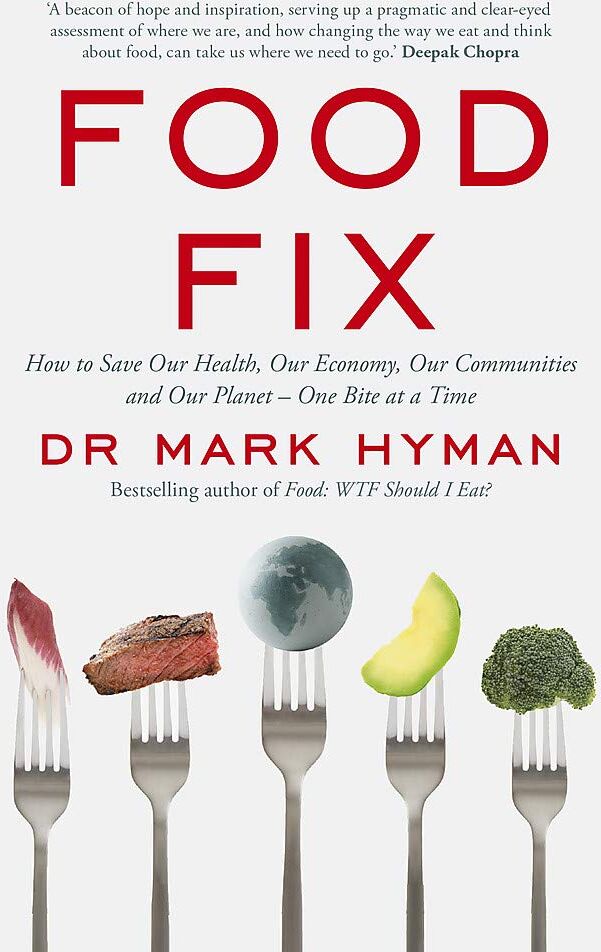
Yellow Kite Food Fix by Mark Hyman MD - Paperback - Food Policy, Health & Environment Non-Fiction BookFood Fix by Mark Hyman is a non-fiction paperback book that explores the connection between food and the crises facing society. Written by New York Times best-selling author and physician Mark Hyman, this book argues that fixing our broken food system could have a positive impact on our health, local economies, communities, and the planet. In Food Fix, Hyman lays bare how industrial food and agriculture systems are shaped by powerful financial interests, driving issues such as obesity and type 2 diabetes. This book is essential reading for anyone concerned about the intersection of food, health, and the environment.3,49 £*Shipping: 2,99 £Secure redirect to the provider
-
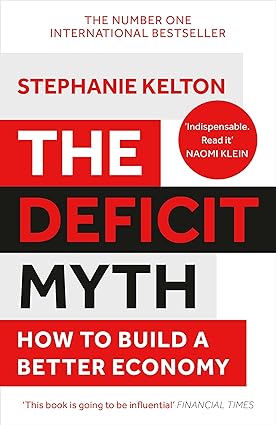
The Deficit Myth by Stephanie Kelton - Modern Monetary Theory - Paperback - John Murray Press - Economics & Public Policy BookThe Deficit Myth by Stephanie Kelton is a thought-provoking book that rethinks how modern economies work. Drawing on Modern Monetary Theory (MMT), Kelton challenges the conventional wisdom that government deficits are inherently dangerous, arguing instead that they can be powerful tools for funding public services and infrastructure. This paperback edition is a clear and accessible explanation of public finance and economic policy, making it essential reading for anyone interested in these topics. About the book, economist Stephanie Kelton dismantles the idea that government deficits are a looming disaster, showing that for countries that issue their own currency, the true constraint on spending is not a shortage of money but a shortage of political will to invest in the things that matter.5,99 £*Shipping: 2,99 £Secure redirect to the provider


-
What is economic sustainability?
Economic sustainability refers to the ability of an economy to support current and future generations by balancing economic growth with social and environmental responsibility. It involves ensuring that resources are used efficiently and equitably to meet the needs of the present without compromising the ability of future generations to meet their own needs. This includes promoting long-term economic development, reducing inequality, and minimizing negative impacts on the environment. Overall, economic sustainability aims to create a stable and resilient economy that can thrive over the long term. **
-
What are sustainability strategies?
Sustainability strategies are plans and actions implemented by organizations to minimize their negative impact on the environment, society, and economy, while maximizing their positive contributions. These strategies often involve setting goals for reducing carbon emissions, waste, and resource consumption, as well as promoting social responsibility and ethical business practices. Sustainability strategies can also include efforts to engage with stakeholders, such as employees, customers, and local communities, to ensure that their needs and concerns are taken into account. Overall, sustainability strategies aim to create long-term value for both the organization and the broader ecosystem in which it operates. **
-
How can sustainability be assessed?
Sustainability can be assessed through various methods such as conducting life cycle assessments, measuring environmental impacts, evaluating social and economic factors, and analyzing the overall resilience of a system. Key indicators such as carbon footprint, water usage, biodiversity impact, social equity, and economic viability can be used to evaluate the sustainability of a product, project, or organization. By using a combination of quantitative data, qualitative analysis, and stakeholder engagement, a comprehensive assessment of sustainability can be achieved. Regular monitoring and reporting of these indicators over time can help track progress towards sustainability goals and identify areas for improvement. **
-
What exactly does sustainability mean?
Sustainability refers to meeting the needs of the present without compromising the ability of future generations to meet their own needs. It involves balancing economic, social, and environmental factors to ensure long-term well-being for both people and the planet. This includes practices that promote resource efficiency, social equity, and environmental protection to create a more resilient and equitable society for all. **

What is the sustainability triangle?
The sustainability triangle is a concept that illustrates the interconnected relationship between social, environmental, and economic factors in achieving sustainability. It emphasizes that for a system or activity to be truly sustainable, it must balance and integrate these three dimensions effectively. By considering the social, environmental, and economic impacts of our actions, we can work towards creating a more sustainable future for both current and future generations. **
What about sustainability in banks?
Sustainability in banks refers to their commitment to environmental, social, and governance (ESG) principles in their operations and decision-making processes. Banks can promote sustainability by incorporating ESG criteria into their lending and investment practices, supporting green initiatives, and reducing their own carbon footprint. By integrating sustainability into their business models, banks can contribute to a more sustainable and responsible financial system that addresses key global challenges such as climate change and social inequality. Additionally, banks that prioritize sustainability may also benefit from improved risk management, enhanced reputation, and increased customer loyalty. **
Top-Angebote
Products related to Sustainability:
-
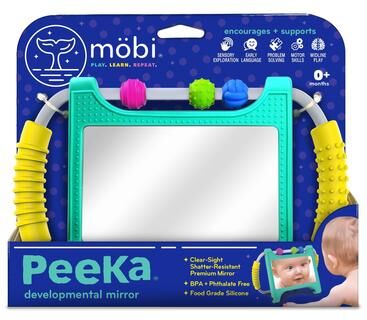
Mobi Peeka Development MirrorPEEKA® developmental mirror was designed by our team of doctors, therapists and parents to help children explore, learn and grow. When you place PEEKA® in the hands of your little ones, you will be amazed at the variety of ways they find to play...26,99 $*Shipping: 0,00 $Secure redirect to the provider
-
ClearBags "#10 Policy Premium Envelopes, White 4 1/8"" x 9 1/2"" 50 pack"White, Premium Opaque Envelopes feature a stellar brightness and balanced white shade. The smooth and uniform print surface delivers rich and vibrant colors. White, Premium Opaque Envelopes provide uncompromising quality and excellent value....24,79 $*Shipping: 0,00 $Secure redirect to the provider
-
ClearBags "#10 Policy Premium Envelopes, Natural 4 1/8"" x 9 1/2"" 50 pack"Natural, Premium Opaque Envelopes feature a smooth and uniform print surface delivers rich and vibrant colors. Natural, Premium Opaque Envelopes provide uncompromising quality and excellent value. FSC and SFI-Certified and endorsed by the Rainforest...27,56 $*Shipping: 0,00 $Secure redirect to the provider
-
Playful Picks Intelligent Escaping Toy Interactive Baby Development Toy Intelligent Escaping Toy Interactive Baby Development ToyIntelligent Escaping Toy The Ultimate Interactive Baby Development ToyDont let your toddlers get glued to mobile screens; introduce them to the Intelligent Escaping Toy, the perfect alternative that promotes healthy growth and development. Unlike...29,97 $*Shipping: 0,00 $Secure redirect to the provider
-
What is sustainability?
Sustainability is the ability to meet the needs of the present without compromising the ability of future generations to meet their own needs. It involves finding a balance between social, economic, and environmental factors to ensure that resources are used in a way that preserves them for the long term. This can include practices such as reducing waste, conserving natural resources, and promoting renewable energy sources. Overall, sustainability aims to create a world where people and the planet can thrive together for generations to come. **
-
What distinguishes strong sustainability from the normal concept of sustainability?
Strong sustainability goes beyond the traditional concept of sustainability by emphasizing the importance of maintaining the integrity of natural systems and the well-being of future generations. It recognizes that certain natural resources and ecological processes are irreplaceable and cannot be substituted by human-made alternatives. Strong sustainability also prioritizes the protection of biodiversity and the resilience of ecosystems, rather than solely focusing on reducing environmental impacts or achieving short-term economic gains. In essence, strong sustainability requires a more holistic and long-term approach to environmental and social stewardship, placing a greater emphasis on intergenerational equity and the preservation of essential ecological functions. **
-
What is economic sustainability?
Economic sustainability refers to the ability of an economy to support current and future generations by balancing economic growth with social and environmental responsibility. It involves ensuring that resources are used efficiently and equitably to meet the needs of the present without compromising the ability of future generations to meet their own needs. This includes promoting long-term economic development, reducing inequality, and minimizing negative impacts on the environment. Overall, economic sustainability aims to create a stable and resilient economy that can thrive over the long term. **
-
What are sustainability strategies?
Sustainability strategies are plans and actions implemented by organizations to minimize their negative impact on the environment, society, and economy, while maximizing their positive contributions. These strategies often involve setting goals for reducing carbon emissions, waste, and resource consumption, as well as promoting social responsibility and ethical business practices. Sustainability strategies can also include efforts to engage with stakeholders, such as employees, customers, and local communities, to ensure that their needs and concerns are taken into account. Overall, sustainability strategies aim to create long-term value for both the organization and the broader ecosystem in which it operates. **
Similar search terms for Sustainability
-
Yellow Kite Food Fix by Mark Hyman MD - Paperback - Food Policy, Health & Environment Non-Fiction BookFood Fix by Mark Hyman is a non-fiction paperback book that explores the connection between food and the crises facing society. Written by New York Times best-selling author and physician Mark Hyman, this book argues that fixing our broken food system could have a positive impact on our health, local economies, communities, and the planet. In Food Fix, Hyman lays bare how industrial food and agriculture systems are shaped by powerful financial interests, driving issues such as obesity and type 2 diabetes. This book is essential reading for anyone concerned about the intersection of food, health, and the environment.3,49 £*Shipping: 2,99 £Secure redirect to the provider
-
The Deficit Myth by Stephanie Kelton - Modern Monetary Theory - Paperback - John Murray Press - Economics & Public Policy BookThe Deficit Myth by Stephanie Kelton is a thought-provoking book that rethinks how modern economies work. Drawing on Modern Monetary Theory (MMT), Kelton challenges the conventional wisdom that government deficits are inherently dangerous, arguing instead that they can be powerful tools for funding public services and infrastructure. This paperback edition is a clear and accessible explanation of public finance and economic policy, making it essential reading for anyone interested in these topics. About the book, economist Stephanie Kelton dismantles the idea that government deficits are a looming disaster, showing that for countries that issue their own currency, the true constraint on spending is not a shortage of money but a shortage of political will to invest in the things that matter.5,99 £*Shipping: 2,99 £Secure redirect to the provider
-
Uplift Curations Montessori Busy Ball Grasping Toy For Early Sensory Development Montessori Busy Ball Grasping Toy For Early Sensory DevelopmentSupport your babys earliest learning moments with a toy designed for discovery and growth. This engaging Montessori busy ball encourages babies to explore, grab, and interacthelping build essential skills through play. Its open, easytohold structure...46,50 $*Shipping: 0,00 $Secure redirect to the provider
-
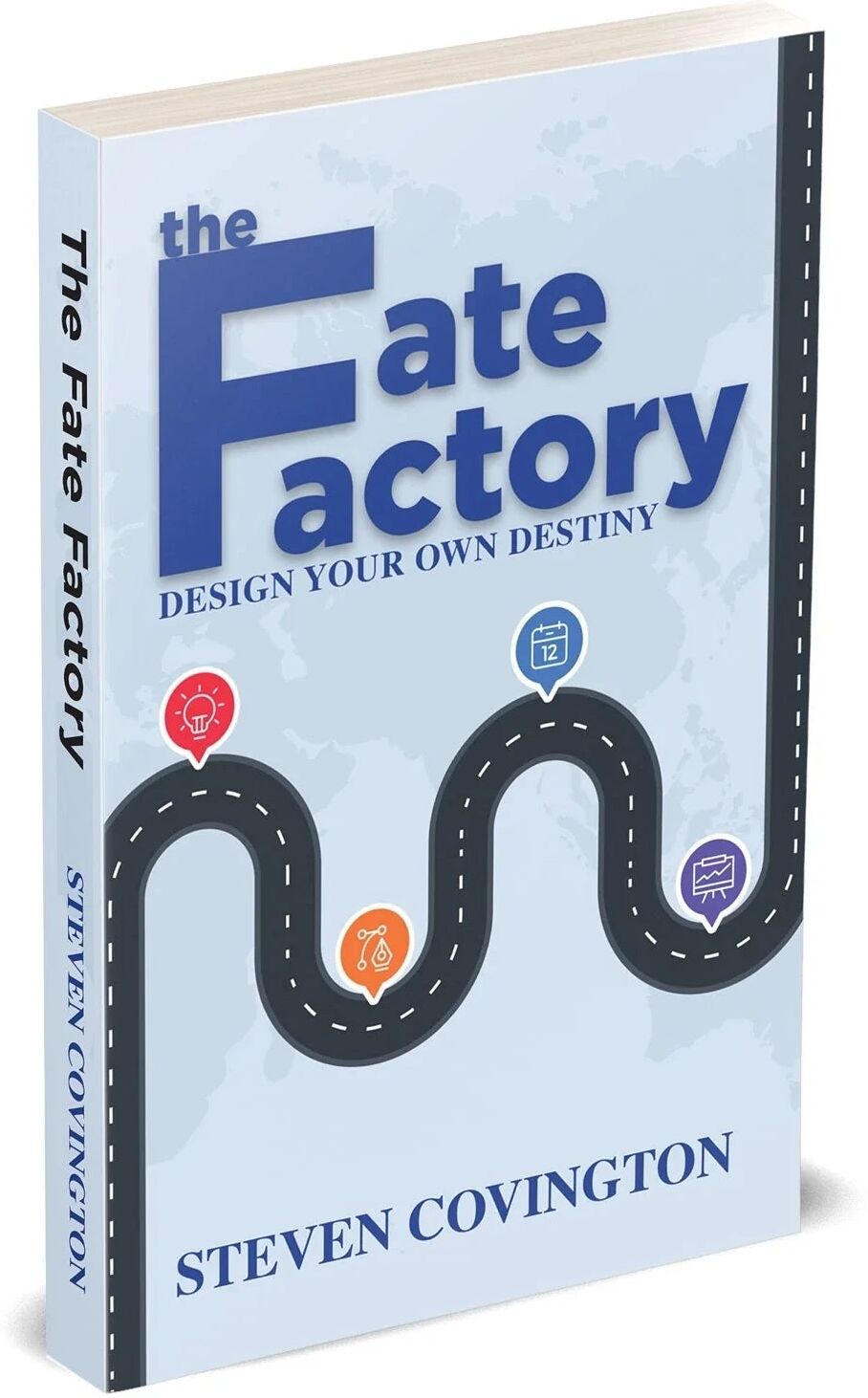
Rupa Publications The Fate Factory: Design Your Own Destiny by Steven Covington - Non Fiction Paperback - Personal Development & Decision-Making GuideDiscover a bold and practical guide to personal empowerment with The Fate Factory: Design Your Own Destiny by Steven Covington. This non-fiction paperback, published by Rupa Publications, offers a no-nonsense approach to achieving success. Covington, a veteran strategic advisor, argues that every decision shapes your future and that luck is not a reliable factor. He challenges readers to take deliberate control of their choices, careers, and relationships by making informed decisions day by day. This book is ideal for those seeking grounded thinking and practical advice on how to build their own fate.2,99 £*Shipping: 2,99 £Secure redirect to the provider
-
How can sustainability be assessed?
Sustainability can be assessed through various methods such as conducting life cycle assessments, measuring environmental impacts, evaluating social and economic factors, and analyzing the overall resilience of a system. Key indicators such as carbon footprint, water usage, biodiversity impact, social equity, and economic viability can be used to evaluate the sustainability of a product, project, or organization. By using a combination of quantitative data, qualitative analysis, and stakeholder engagement, a comprehensive assessment of sustainability can be achieved. Regular monitoring and reporting of these indicators over time can help track progress towards sustainability goals and identify areas for improvement. **
-
What exactly does sustainability mean?
Sustainability refers to meeting the needs of the present without compromising the ability of future generations to meet their own needs. It involves balancing economic, social, and environmental factors to ensure long-term well-being for both people and the planet. This includes practices that promote resource efficiency, social equity, and environmental protection to create a more resilient and equitable society for all. **
-
What is the sustainability triangle?
The sustainability triangle is a concept that illustrates the interconnected relationship between social, environmental, and economic factors in achieving sustainability. It emphasizes that for a system or activity to be truly sustainable, it must balance and integrate these three dimensions effectively. By considering the social, environmental, and economic impacts of our actions, we can work towards creating a more sustainable future for both current and future generations. **
-
What about sustainability in banks?
Sustainability in banks refers to their commitment to environmental, social, and governance (ESG) principles in their operations and decision-making processes. Banks can promote sustainability by incorporating ESG criteria into their lending and investment practices, supporting green initiatives, and reducing their own carbon footprint. By integrating sustainability into their business models, banks can contribute to a more sustainable and responsible financial system that addresses key global challenges such as climate change and social inequality. Additionally, banks that prioritize sustainability may also benefit from improved risk management, enhanced reputation, and increased customer loyalty. **
* All prices are inclusive of VAT and, if applicable, plus shipping costs. The offer information is based on the details provided by the respective shop and is updated through automated processes. Real-time updates do not occur, so deviations can occur in individual cases. ** Note: Parts of this content were created by AI.