Buy raumplanung.eu ?
We are moving the project
raumplanung.eu .
Are you interested in purchasing the domain
raumplanung.eu ?
domain@kv-gmbh.de · 0541-91531010
Buy raumplanung.eu ?
Is urban design more like city planning or urban development?
Urban design is more closely related to city planning than urban development. City planning focuses on the organization and development of urban areas, including land use, infrastructure, and public spaces, which are all key components of urban design. Urban development, on the other hand, typically refers to the physical construction and economic growth within urban areas, which is influenced by urban design and city planning decisions. Therefore, while urban design is related to both city planning and urban development, it is more aligned with the principles and goals of city planning. **
What are the differences between rough design and detailed design in software development?
Rough design in software development is a high-level, conceptual plan that outlines the overall structure and functionality of the software. It focuses on the big picture and does not delve into specific implementation details. On the other hand, detailed design is a more in-depth and specific plan that includes the nitty-gritty technical details of how the software will be implemented. It covers things like data structures, algorithms, and specific modules or components. In essence, rough design is about the "what" of the software, while detailed design is about the "how." **


Similar search terms for Differences
Top-Angebote
Products related to Differences:
-
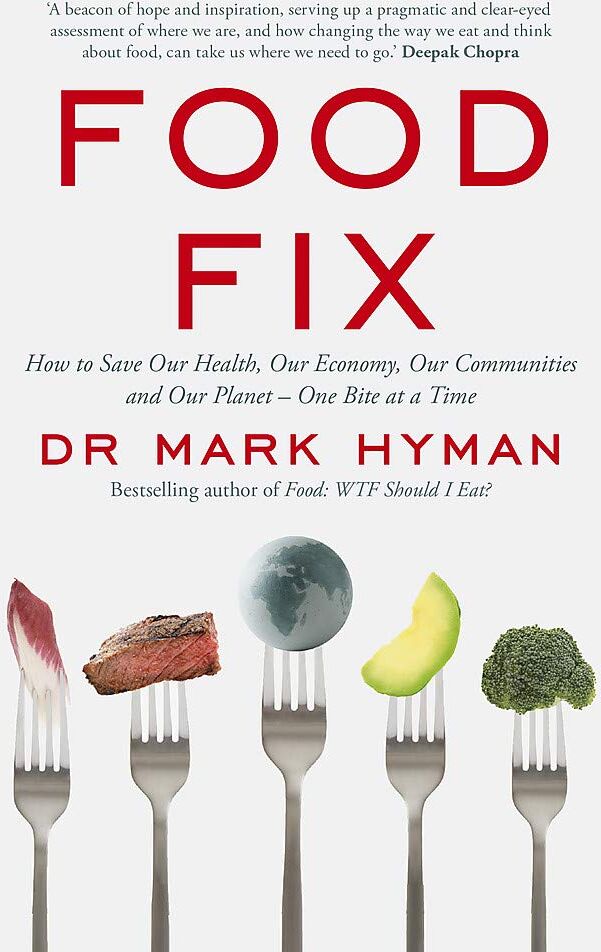
Yellow Kite Food Fix by Mark Hyman MD - Paperback - Food Policy, Health & Environment Non-Fiction BookFood Fix by Mark Hyman is a non-fiction paperback book that explores the connection between food and the crises facing society. Written by New York Times best-selling author and physician Mark Hyman, this book argues that fixing our broken food system could have a positive impact on our health, local economies, communities, and the planet. In Food Fix, Hyman lays bare how industrial food and agriculture systems are shaped by powerful financial interests, driving issues such as obesity and type 2 diabetes. This book is essential reading for anyone concerned about the intersection of food, health, and the environment.3,49 £*Shipping: 2,99 £Secure redirect to the provider
-
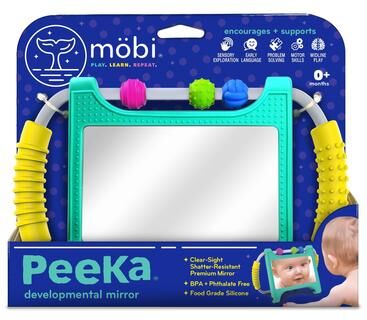
Mobi Peeka Development MirrorPEEKA® developmental mirror was designed by our team of doctors, therapists and parents to help children explore, learn and grow. When you place PEEKA® in the hands of your little ones, you will be amazed at the variety of ways they find to play...26,99 $*Shipping: 0,00 $Secure redirect to the provider
-
Inspire Essentials Sensory Skill Development Kit For Kids Sensory Skill Development Kit For KidsMake learning exciting with this hands on sensory play kit designed to help young children build coordination, confidence, and early developmental skills. This set includes oversized test tubes, colorful silicone droppers, and a durable storage box...34,98 $*Shipping: 0,00 $Secure redirect to the provider
-
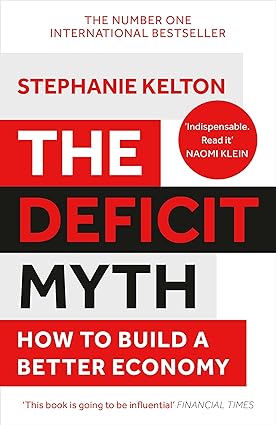
The Deficit Myth by Stephanie Kelton - Modern Monetary Theory - Paperback - John Murray Press - Economics & Public Policy BookThe Deficit Myth by Stephanie Kelton is a thought-provoking book that rethinks how modern economies work. Drawing on Modern Monetary Theory (MMT), Kelton challenges the conventional wisdom that government deficits are inherently dangerous, arguing instead that they can be powerful tools for funding public services and infrastructure. This paperback edition is a clear and accessible explanation of public finance and economic policy, making it essential reading for anyone interested in these topics. About the book, economist Stephanie Kelton dismantles the idea that government deficits are a looming disaster, showing that for countries that issue their own currency, the true constraint on spending is not a shortage of money but a shortage of political will to invest in the things that matter.5,99 £*Shipping: 2,99 £Secure redirect to the provider

-
What are the differences between art design and industrial design?
Art design focuses on creating visually appealing and expressive works of art that evoke emotions and convey messages. It is often more subjective and open to interpretation. On the other hand, industrial design is more functional and practical, focusing on creating products that are user-friendly, efficient, and aesthetically pleasing. Industrial design also considers factors such as production processes, materials, and market demands. Overall, while art design is more about creativity and self-expression, industrial design is more about problem-solving and meeting specific user needs. **
-
What differences were there in the development of integration?
The development of integration varied across different regions and time periods. In the United States, integration was a slow and often contentious process, marked by significant resistance and violence, particularly in the South during the Civil Rights Movement. In Europe, integration has been more gradual and has been driven by economic and political factors, such as the formation of the European Union. Overall, the approach to integration has differed based on historical, cultural, and social contexts. **
-
What does traffic infrastructure development mean?
Traffic infrastructure development refers to the planning, design, construction, and maintenance of transportation systems such as roads, highways, bridges, and public transit. It involves improving and expanding the physical infrastructure to accommodate the increasing demands of a growing population and economy. This can include adding new lanes to highways, building new bridges, implementing traffic management systems, and expanding public transportation options. Overall, traffic infrastructure development aims to enhance the efficiency, safety, and accessibility of transportation networks for the benefit of the community. **
-
How does geography influence urban development?
Geography influences urban development in several ways. The natural landscape, such as mountains, rivers, and coastlines, can shape the layout and expansion of cities. For example, cities may develop along rivers for access to water and transportation, or be constrained by mountains, leading to more compact development. Additionally, climate and natural resources can impact the types of industries and economic activities that thrive in a city, further shaping its development. Finally, the availability of land for expansion and the potential for natural disasters can also influence urban planning and development. **

What were the main differences between rural and urban societies in the Middle Ages?
In the Middle Ages, rural societies were primarily agricultural, with the majority of the population living in small villages and working the land. These communities were often self-sufficient, with limited contact with the outside world. In contrast, urban societies were centered around cities and were more diverse and interconnected, with a greater emphasis on trade, commerce, and specialized crafts. Urban areas also tended to have a higher concentration of wealth and political power, as well as a more complex social structure. Overall, the main differences between rural and urban societies in the Middle Ages were their economic activities, social structures, and levels of connectivity with the wider world. **
What does decentralization mean in urban development?
Decentralization in urban development refers to the distribution of power, resources, and decision-making processes away from a central authority to local governments, communities, or individuals. This approach aims to empower local stakeholders to have more control over their own development, leading to more sustainable and inclusive urban growth. Decentralization can help improve efficiency, accountability, and responsiveness in urban planning and management by involving a wider range of actors in the decision-making process. Ultimately, decentralization in urban development can lead to more resilient and vibrant cities that better meet the diverse needs of their residents. **
Top-Angebote
Products related to Differences:
-
ClearBags "#10 Policy Premium Envelopes, Natural 4 1/8"" x 9 1/2"" 50 pack"Natural, Premium Opaque Envelopes feature a smooth and uniform print surface delivers rich and vibrant colors. Natural, Premium Opaque Envelopes provide uncompromising quality and excellent value. FSC and SFI-Certified and endorsed by the Rainforest...27,56 $*Shipping: 0,00 $Secure redirect to the provider
-
ClearBags "#10 Policy Premium Envelopes, White 4 1/8"" x 9 1/2"" 50 pack"White, Premium Opaque Envelopes feature a stellar brightness and balanced white shade. The smooth and uniform print surface delivers rich and vibrant colors. White, Premium Opaque Envelopes provide uncompromising quality and excellent value....24,79 $*Shipping: 0,00 $Secure redirect to the provider
-
Yellow Kite Food Fix by Mark Hyman MD - Paperback - Food Policy, Health & Environment Non-Fiction BookFood Fix by Mark Hyman is a non-fiction paperback book that explores the connection between food and the crises facing society. Written by New York Times best-selling author and physician Mark Hyman, this book argues that fixing our broken food system could have a positive impact on our health, local economies, communities, and the planet. In Food Fix, Hyman lays bare how industrial food and agriculture systems are shaped by powerful financial interests, driving issues such as obesity and type 2 diabetes. This book is essential reading for anyone concerned about the intersection of food, health, and the environment.3,49 £*Shipping: 2,99 £Secure redirect to the provider
-
Mobi Peeka Development MirrorPEEKA® developmental mirror was designed by our team of doctors, therapists and parents to help children explore, learn and grow. When you place PEEKA® in the hands of your little ones, you will be amazed at the variety of ways they find to play...26,99 $*Shipping: 0,00 $Secure redirect to the provider
-
Is urban design more like city planning or urban development?
Urban design is more closely related to city planning than urban development. City planning focuses on the organization and development of urban areas, including land use, infrastructure, and public spaces, which are all key components of urban design. Urban development, on the other hand, typically refers to the physical construction and economic growth within urban areas, which is influenced by urban design and city planning decisions. Therefore, while urban design is related to both city planning and urban development, it is more aligned with the principles and goals of city planning. **
-
What are the differences between rough design and detailed design in software development?
Rough design in software development is a high-level, conceptual plan that outlines the overall structure and functionality of the software. It focuses on the big picture and does not delve into specific implementation details. On the other hand, detailed design is a more in-depth and specific plan that includes the nitty-gritty technical details of how the software will be implemented. It covers things like data structures, algorithms, and specific modules or components. In essence, rough design is about the "what" of the software, while detailed design is about the "how." **
-
What are the differences between art design and industrial design?
Art design focuses on creating visually appealing and expressive works of art that evoke emotions and convey messages. It is often more subjective and open to interpretation. On the other hand, industrial design is more functional and practical, focusing on creating products that are user-friendly, efficient, and aesthetically pleasing. Industrial design also considers factors such as production processes, materials, and market demands. Overall, while art design is more about creativity and self-expression, industrial design is more about problem-solving and meeting specific user needs. **
-
What differences were there in the development of integration?
The development of integration varied across different regions and time periods. In the United States, integration was a slow and often contentious process, marked by significant resistance and violence, particularly in the South during the Civil Rights Movement. In Europe, integration has been more gradual and has been driven by economic and political factors, such as the formation of the European Union. Overall, the approach to integration has differed based on historical, cultural, and social contexts. **
Similar search terms for Differences
-
Inspire Essentials Sensory Skill Development Kit For Kids Sensory Skill Development Kit For KidsMake learning exciting with this hands on sensory play kit designed to help young children build coordination, confidence, and early developmental skills. This set includes oversized test tubes, colorful silicone droppers, and a durable storage box...34,98 $*Shipping: 0,00 $Secure redirect to the provider
-
The Deficit Myth by Stephanie Kelton - Modern Monetary Theory - Paperback - John Murray Press - Economics & Public Policy BookThe Deficit Myth by Stephanie Kelton is a thought-provoking book that rethinks how modern economies work. Drawing on Modern Monetary Theory (MMT), Kelton challenges the conventional wisdom that government deficits are inherently dangerous, arguing instead that they can be powerful tools for funding public services and infrastructure. This paperback edition is a clear and accessible explanation of public finance and economic policy, making it essential reading for anyone interested in these topics. About the book, economist Stephanie Kelton dismantles the idea that government deficits are a looming disaster, showing that for countries that issue their own currency, the true constraint on spending is not a shortage of money but a shortage of political will to invest in the things that matter.5,99 £*Shipping: 2,99 £Secure redirect to the provider
-
Playful Picks Intelligent Escaping Toy Interactive Baby Development Toy Intelligent Escaping Toy Interactive Baby Development ToyIntelligent Escaping Toy The Ultimate Interactive Baby Development ToyDont let your toddlers get glued to mobile screens; introduce them to the Intelligent Escaping Toy, the perfect alternative that promotes healthy growth and development. Unlike...29,97 $*Shipping: 0,00 $Secure redirect to the provider
-
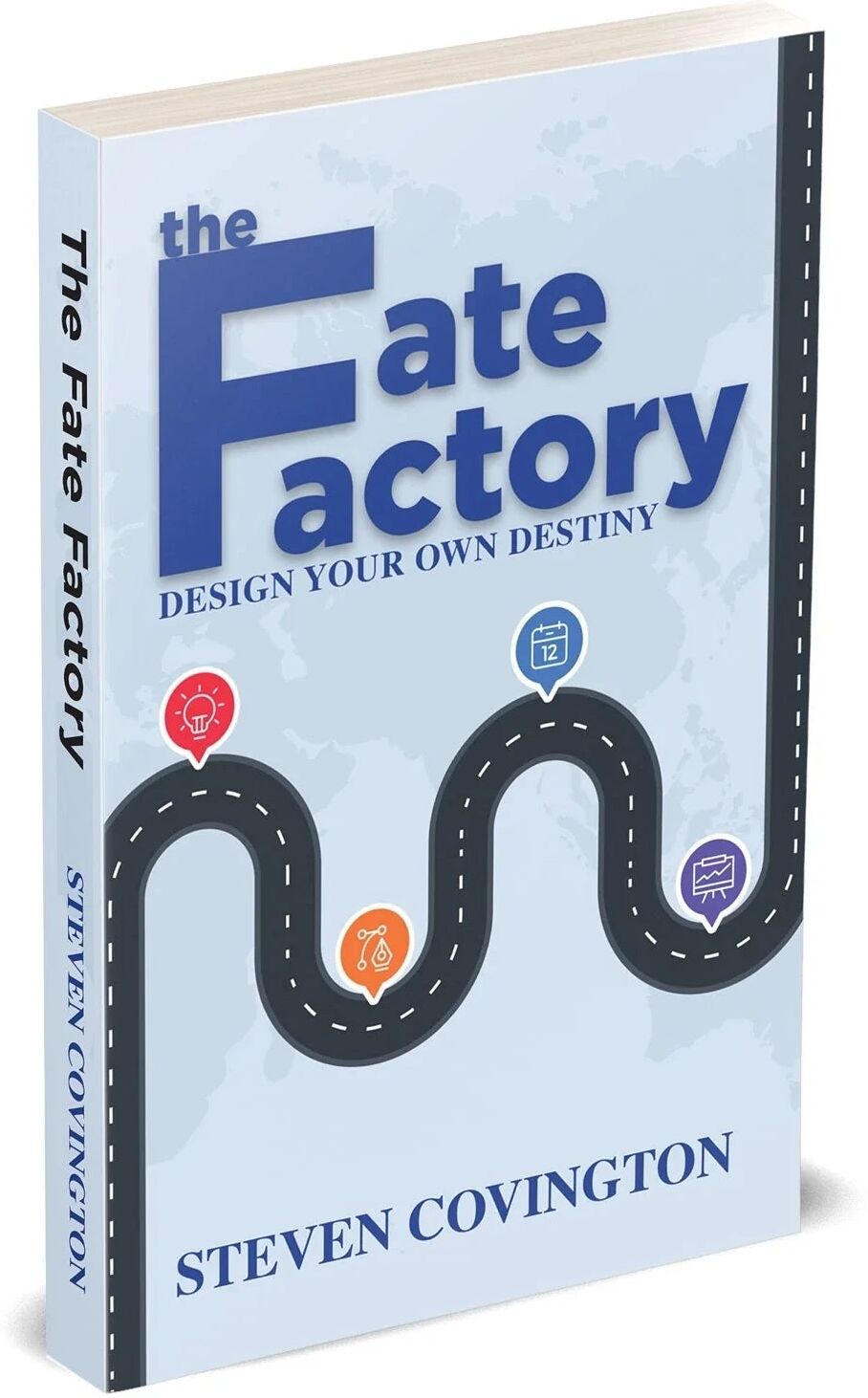
Rupa Publications The Fate Factory: Design Your Own Destiny by Steven Covington - Non Fiction Paperback - Personal Development & Decision-Making GuideDiscover a bold and practical guide to personal empowerment with The Fate Factory: Design Your Own Destiny by Steven Covington. This non-fiction paperback, published by Rupa Publications, offers a no-nonsense approach to achieving success. Covington, a veteran strategic advisor, argues that every decision shapes your future and that luck is not a reliable factor. He challenges readers to take deliberate control of their choices, careers, and relationships by making informed decisions day by day. This book is ideal for those seeking grounded thinking and practical advice on how to build their own fate.2,99 £*Shipping: 2,99 £Secure redirect to the provider
-
What does traffic infrastructure development mean?
Traffic infrastructure development refers to the planning, design, construction, and maintenance of transportation systems such as roads, highways, bridges, and public transit. It involves improving and expanding the physical infrastructure to accommodate the increasing demands of a growing population and economy. This can include adding new lanes to highways, building new bridges, implementing traffic management systems, and expanding public transportation options. Overall, traffic infrastructure development aims to enhance the efficiency, safety, and accessibility of transportation networks for the benefit of the community. **
-
How does geography influence urban development?
Geography influences urban development in several ways. The natural landscape, such as mountains, rivers, and coastlines, can shape the layout and expansion of cities. For example, cities may develop along rivers for access to water and transportation, or be constrained by mountains, leading to more compact development. Additionally, climate and natural resources can impact the types of industries and economic activities that thrive in a city, further shaping its development. Finally, the availability of land for expansion and the potential for natural disasters can also influence urban planning and development. **
-
What were the main differences between rural and urban societies in the Middle Ages?
In the Middle Ages, rural societies were primarily agricultural, with the majority of the population living in small villages and working the land. These communities were often self-sufficient, with limited contact with the outside world. In contrast, urban societies were centered around cities and were more diverse and interconnected, with a greater emphasis on trade, commerce, and specialized crafts. Urban areas also tended to have a higher concentration of wealth and political power, as well as a more complex social structure. Overall, the main differences between rural and urban societies in the Middle Ages were their economic activities, social structures, and levels of connectivity with the wider world. **
-
What does decentralization mean in urban development?
Decentralization in urban development refers to the distribution of power, resources, and decision-making processes away from a central authority to local governments, communities, or individuals. This approach aims to empower local stakeholders to have more control over their own development, leading to more sustainable and inclusive urban growth. Decentralization can help improve efficiency, accountability, and responsiveness in urban planning and management by involving a wider range of actors in the decision-making process. Ultimately, decentralization in urban development can lead to more resilient and vibrant cities that better meet the diverse needs of their residents. **
* All prices are inclusive of VAT and, if applicable, plus shipping costs. The offer information is based on the details provided by the respective shop and is updated through automated processes. Real-time updates do not occur, so deviations can occur in individual cases. ** Note: Parts of this content were created by AI.