Buy raumplanung.eu ?
We are moving the project
raumplanung.eu .
Are you interested in purchasing the domain
raumplanung.eu ?
domain@kv-gmbh.de · 0541-91531010
Buy raumplanung.eu ?
What does the Indian caste system or caste system look like today?
Today, the Indian caste system still exists in many parts of the country, although it is officially outlawed. The system is based on the idea of social hierarchy and divides people into different groups based on their birth and occupation. Discrimination and inequality still persist, with lower caste individuals facing social and economic disadvantages. Despite efforts to eradicate the caste system, it continues to influence social interactions, marriage, and access to resources in Indian society. **
What is a barrier to development of the caste system in India?
One of the barriers to the development of the caste system in India is the increasing urbanization and globalization, which have led to greater social mobility and intermingling of different castes. Education and economic opportunities are also playing a role in breaking down traditional caste barriers, as individuals are able to pursue careers and social connections outside of their caste. Additionally, there have been legal reforms and affirmative action policies implemented to promote equality and reduce discrimination based on caste, further challenging the entrenched system. **


Similar search terms for Caste
Top-Angebote
Products related to Caste:
-
ClearBags "#10 Policy Premium Envelopes, White 4 1/8"" x 9 1/2"" 50 pack"White, Premium Opaque Envelopes feature a stellar brightness and balanced white shade. The smooth and uniform print surface delivers rich and vibrant colors. White, Premium Opaque Envelopes provide uncompromising quality and excellent value....24,79 $*Shipping: 0,00 $Secure redirect to the provider
-
ClearBags "#10 Policy Premium Envelopes, Natural 4 1/8"" x 9 1/2"" 50 pack"Natural, Premium Opaque Envelopes feature a smooth and uniform print surface delivers rich and vibrant colors. Natural, Premium Opaque Envelopes provide uncompromising quality and excellent value. FSC and SFI-Certified and endorsed by the Rainforest...27,56 $*Shipping: 0,00 $Secure redirect to the provider
-
Playful Picks Intelligent Escaping Toy Interactive Baby Development Toy Intelligent Escaping Toy Interactive Baby Development ToyIntelligent Escaping Toy The Ultimate Interactive Baby Development ToyDont let your toddlers get glued to mobile screens; introduce them to the Intelligent Escaping Toy, the perfect alternative that promotes healthy growth and development. Unlike...29,97 $*Shipping: 0,00 $Secure redirect to the provider
-
Yellow Kite Food Fix by Mark Hyman MD - Paperback - Food Policy, Health & Environment Non-Fiction BookFood Fix by Mark Hyman is a non-fiction paperback book that explores the connection between food and the crises facing society. Written by New York Times best-selling author and physician Mark Hyman, this book argues that fixing our broken food system could have a positive impact on our health, local economies, communities, and the planet. In Food Fix, Hyman lays bare how industrial food and agriculture systems are shaped by powerful financial interests, driving issues such as obesity and type 2 diabetes. This book is essential reading for anyone concerned about the intersection of food, health, and the environment.3,49 £*Shipping: 2,99 £Secure redirect to the provider




-
Is urban design more like city planning or urban development?
Urban design is more closely related to city planning than urban development. City planning focuses on the organization and development of urban areas, including land use, infrastructure, and public spaces, which are all key components of urban design. Urban development, on the other hand, typically refers to the physical construction and economic growth within urban areas, which is influenced by urban design and city planning decisions. Therefore, while urban design is related to both city planning and urban development, it is more aligned with the principles and goals of city planning. **
-
What is the caste system in India and how are individuals classified into a caste?
The caste system in India is a social hierarchy that categorizes individuals into different groups based on their birth, occupation, and social status. There are four main castes - Brahmins (priests and scholars), Kshatriyas (warriors and rulers), Vaishyas (merchants and farmers), and Shudras (laborers). Below these castes are the Dalits, formerly known as "untouchables," who have historically been marginalized and faced discrimination. Individuals are typically classified into a caste based on their family background and hereditary occupation, with very limited mobility between castes. **
-
What is the caste system in India and how are people classified into a caste?
The caste system in India is a social hierarchy that categorizes people into different groups based on their birth, occupation, and social status. There are four main castes: Brahmins (priests and scholars), Kshatriyas (warriors and rulers), Vaishyas (merchants and traders), and Shudras (laborers and service providers). Below these castes are the Dalits, who were historically considered untouchable and were often relegated to the most menial and degrading jobs. People are classified into a caste based on their family background and the occupation of their ancestors, and it is very difficult to change one's caste. This system has been a source of discrimination and inequality in Indian society for centuries. **
-
What is a barrier to the development of the caste system in India?
One of the barriers to the development of the caste system in India is the modernization and urbanization of society. As India becomes more industrialized and people move to cities for work, traditional caste-based occupations and social structures are being challenged. Additionally, education and awareness about equality and human rights are also playing a role in breaking down the rigid boundaries of the caste system. Government policies and affirmative action programs aimed at promoting social equality and providing opportunities for marginalized castes are further eroding the foundations of the caste system. **

Why was the caste system abolished?
The caste system was abolished in India because it was seen as discriminatory and oppressive, perpetuating social inequality and injustice. The system restricted social mobility and opportunities for individuals based on their birth, leading to widespread discrimination and exploitation of lower caste members. The Indian government recognized the need to promote equality and social justice, leading to the abolition of the caste system through legislation and affirmative action policies. This allowed for greater opportunities for individuals from lower castes to access education, employment, and political representation. **
What is the caste system in Germany?
There is no formal caste system in Germany. However, there are social hierarchies and inequalities based on factors such as wealth, education, and occupation. Discrimination and prejudice based on ethnicity, nationality, or religion can also contribute to social stratification in German society. Overall, Germany has made efforts to promote equality and combat discrimination through laws and policies. **
Top-Angebote
Products related to Caste:
-
Profile Books Chums: How a Tiny Caste of Oxford Tories Took Over the UK by Simon Kuper - Paperback - Sunday Times Bestseller Political Non FictionChums is Simon Kuper's acclaimed investigation into how a small, privileged circle of Oxford University contemporaries came to dominate British politics. A Sunday Times bestseller and Times Best Book of the Year, it traces the friendships, rivalries, and shared worldview forged in Oxford's debating halls through to Westminster. Sharp, witty, and meticulously researched, this paperback edition includes a new chapter examining the end of the "chumocracy" era and the rising Oxford elite set to shape Britain by 2050. In Chums, journalist and author Simon Kuper turns his attention to one of the most consequential stories in modern British politics: the extraordinary dominance of Oxford University alumni at the very top of government, including figures such as Boris Johnson, Michael Gove, David Cameron, George Osborne, Theresa May, Dominic Cummings, Daniel Hannan, and Jacob Rees-Mogg.8,08 £*Shipping: 2,99 £Secure redirect to the provider
-
Mobi Peeka Development MirrorPEEKA® developmental mirror was designed by our team of doctors, therapists and parents to help children explore, learn and grow. When you place PEEKA® in the hands of your little ones, you will be amazed at the variety of ways they find to play...26,99 $*Shipping: 0,00 $Secure redirect to the provider
-
ClearBags "#10 Policy Premium Envelopes, White 4 1/8"" x 9 1/2"" 50 pack"White, Premium Opaque Envelopes feature a stellar brightness and balanced white shade. The smooth and uniform print surface delivers rich and vibrant colors. White, Premium Opaque Envelopes provide uncompromising quality and excellent value....24,79 $*Shipping: 0,00 $Secure redirect to the provider
-
ClearBags "#10 Policy Premium Envelopes, Natural 4 1/8"" x 9 1/2"" 50 pack"Natural, Premium Opaque Envelopes feature a smooth and uniform print surface delivers rich and vibrant colors. Natural, Premium Opaque Envelopes provide uncompromising quality and excellent value. FSC and SFI-Certified and endorsed by the Rainforest...27,56 $*Shipping: 0,00 $Secure redirect to the provider
-
What does the Indian caste system or caste system look like today?
Today, the Indian caste system still exists in many parts of the country, although it is officially outlawed. The system is based on the idea of social hierarchy and divides people into different groups based on their birth and occupation. Discrimination and inequality still persist, with lower caste individuals facing social and economic disadvantages. Despite efforts to eradicate the caste system, it continues to influence social interactions, marriage, and access to resources in Indian society. **
-
What is a barrier to development of the caste system in India?
One of the barriers to the development of the caste system in India is the increasing urbanization and globalization, which have led to greater social mobility and intermingling of different castes. Education and economic opportunities are also playing a role in breaking down traditional caste barriers, as individuals are able to pursue careers and social connections outside of their caste. Additionally, there have been legal reforms and affirmative action policies implemented to promote equality and reduce discrimination based on caste, further challenging the entrenched system. **
-
Is urban design more like city planning or urban development?
Urban design is more closely related to city planning than urban development. City planning focuses on the organization and development of urban areas, including land use, infrastructure, and public spaces, which are all key components of urban design. Urban development, on the other hand, typically refers to the physical construction and economic growth within urban areas, which is influenced by urban design and city planning decisions. Therefore, while urban design is related to both city planning and urban development, it is more aligned with the principles and goals of city planning. **
-
What is the caste system in India and how are individuals classified into a caste?
The caste system in India is a social hierarchy that categorizes individuals into different groups based on their birth, occupation, and social status. There are four main castes - Brahmins (priests and scholars), Kshatriyas (warriors and rulers), Vaishyas (merchants and farmers), and Shudras (laborers). Below these castes are the Dalits, formerly known as "untouchables," who have historically been marginalized and faced discrimination. Individuals are typically classified into a caste based on their family background and hereditary occupation, with very limited mobility between castes. **
Similar search terms for Caste
-
Playful Picks Intelligent Escaping Toy Interactive Baby Development Toy Intelligent Escaping Toy Interactive Baby Development ToyIntelligent Escaping Toy The Ultimate Interactive Baby Development ToyDont let your toddlers get glued to mobile screens; introduce them to the Intelligent Escaping Toy, the perfect alternative that promotes healthy growth and development. Unlike...29,97 $*Shipping: 0,00 $Secure redirect to the provider
-
Yellow Kite Food Fix by Mark Hyman MD - Paperback - Food Policy, Health & Environment Non-Fiction BookFood Fix by Mark Hyman is a non-fiction paperback book that explores the connection between food and the crises facing society. Written by New York Times best-selling author and physician Mark Hyman, this book argues that fixing our broken food system could have a positive impact on our health, local economies, communities, and the planet. In Food Fix, Hyman lays bare how industrial food and agriculture systems are shaped by powerful financial interests, driving issues such as obesity and type 2 diabetes. This book is essential reading for anyone concerned about the intersection of food, health, and the environment.3,49 £*Shipping: 2,99 £Secure redirect to the provider
-
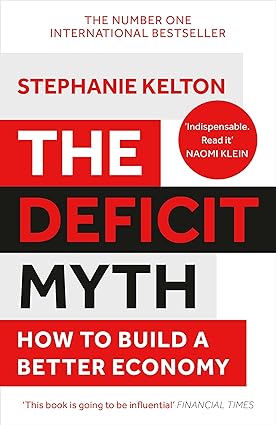
The Deficit Myth by Stephanie Kelton - Modern Monetary Theory - Paperback - John Murray Press - Economics & Public Policy BookThe Deficit Myth by Stephanie Kelton is a thought-provoking book that rethinks how modern economies work. Drawing on Modern Monetary Theory (MMT), Kelton challenges the conventional wisdom that government deficits are inherently dangerous, arguing instead that they can be powerful tools for funding public services and infrastructure. This paperback edition is a clear and accessible explanation of public finance and economic policy, making it essential reading for anyone interested in these topics. About the book, economist Stephanie Kelton dismantles the idea that government deficits are a looming disaster, showing that for countries that issue their own currency, the true constraint on spending is not a shortage of money but a shortage of political will to invest in the things that matter.5,99 £*Shipping: 2,99 £Secure redirect to the provider
-
Uplift Curations Montessori Busy Ball Grasping Toy For Early Sensory Development Montessori Busy Ball Grasping Toy For Early Sensory DevelopmentSupport your babys earliest learning moments with a toy designed for discovery and growth. This engaging Montessori busy ball encourages babies to explore, grab, and interacthelping build essential skills through play. Its open, easytohold structure...46,50 $*Shipping: 0,00 $Secure redirect to the provider
-
What is the caste system in India and how are people classified into a caste?
The caste system in India is a social hierarchy that categorizes people into different groups based on their birth, occupation, and social status. There are four main castes: Brahmins (priests and scholars), Kshatriyas (warriors and rulers), Vaishyas (merchants and traders), and Shudras (laborers and service providers). Below these castes are the Dalits, who were historically considered untouchable and were often relegated to the most menial and degrading jobs. People are classified into a caste based on their family background and the occupation of their ancestors, and it is very difficult to change one's caste. This system has been a source of discrimination and inequality in Indian society for centuries. **
-
What is a barrier to the development of the caste system in India?
One of the barriers to the development of the caste system in India is the modernization and urbanization of society. As India becomes more industrialized and people move to cities for work, traditional caste-based occupations and social structures are being challenged. Additionally, education and awareness about equality and human rights are also playing a role in breaking down the rigid boundaries of the caste system. Government policies and affirmative action programs aimed at promoting social equality and providing opportunities for marginalized castes are further eroding the foundations of the caste system. **
-
Why was the caste system abolished?
The caste system was abolished in India because it was seen as discriminatory and oppressive, perpetuating social inequality and injustice. The system restricted social mobility and opportunities for individuals based on their birth, leading to widespread discrimination and exploitation of lower caste members. The Indian government recognized the need to promote equality and social justice, leading to the abolition of the caste system through legislation and affirmative action policies. This allowed for greater opportunities for individuals from lower castes to access education, employment, and political representation. **
-
What is the caste system in Germany?
There is no formal caste system in Germany. However, there are social hierarchies and inequalities based on factors such as wealth, education, and occupation. Discrimination and prejudice based on ethnicity, nationality, or religion can also contribute to social stratification in German society. Overall, Germany has made efforts to promote equality and combat discrimination through laws and policies. **
* All prices are inclusive of VAT and, if applicable, plus shipping costs. The offer information is based on the details provided by the respective shop and is updated through automated processes. Real-time updates do not occur, so deviations can occur in individual cases. ** Note: Parts of this content were created by AI.