Buy raumplanung.eu ?
We are moving the project
raumplanung.eu .
Are you interested in purchasing the domain
raumplanung.eu ?
domain@kv-gmbh.de · 0541-91531010
Buy raumplanung.eu ?
Can crabs molt?
Yes, crabs can molt. Molting is the process by which a crab sheds its old exoskeleton and grows a new one. This is necessary for the crab to grow, as its exoskeleton does not grow with its body. During molting, the crab will be vulnerable to predators until its new exoskeleton hardens. **
How do chickens molt?
Chickens molt by shedding their old feathers and growing new ones. This process typically occurs once a year and can last several weeks. During this time, chickens may appear scruffy and may stop laying eggs temporarily as their bodies focus on regrowing feathers. Providing a balanced diet rich in protein and ensuring they have access to clean water can help support chickens through the molting process. **

Similar search terms for Molt
Top-Angebote
Products related to Molt:
-
ClearBags "#10 Policy Premium Envelopes, White 4 1/8"" x 9 1/2"" 50 pack"White, Premium Opaque Envelopes feature a stellar brightness and balanced white shade. The smooth and uniform print surface delivers rich and vibrant colors. White, Premium Opaque Envelopes provide uncompromising quality and excellent value....24,79 $*Shipping: 0,00 $Secure redirect to the provider
-
Inspire Essentials Sensory Skill Development Kit For Kids Sensory Skill Development Kit For KidsMake learning exciting with this hands on sensory play kit designed to help young children build coordination, confidence, and early developmental skills. This set includes oversized test tubes, colorful silicone droppers, and a durable storage box...34,98 $*Shipping: 0,00 $Secure redirect to the provider
-
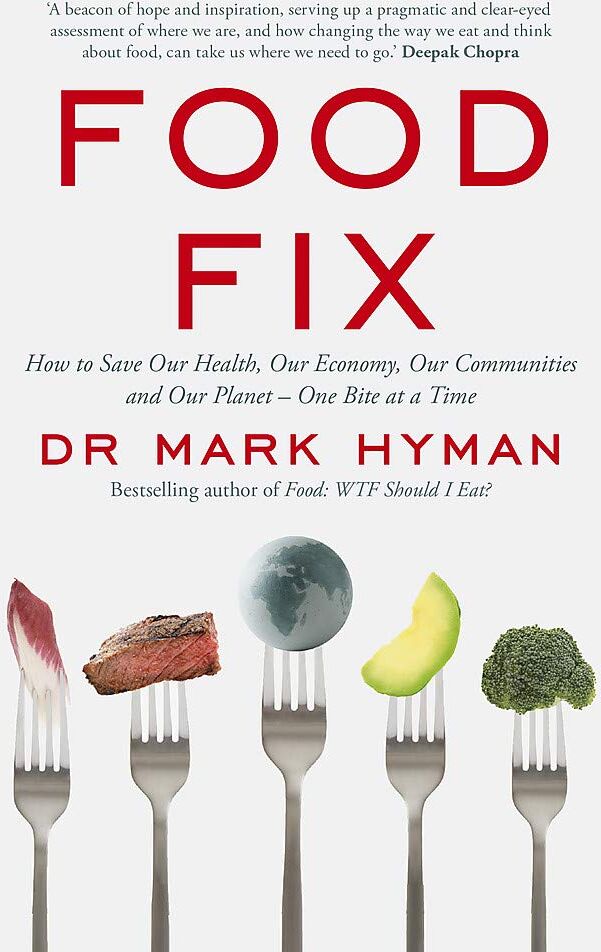
Yellow Kite Food Fix by Mark Hyman MD - Paperback - Food Policy, Health & Environment Non-Fiction BookFood Fix by Mark Hyman is a non-fiction paperback book that explores the connection between food and the crises facing society. Written by New York Times best-selling author and physician Mark Hyman, this book argues that fixing our broken food system could have a positive impact on our health, local economies, communities, and the planet. In Food Fix, Hyman lays bare how industrial food and agriculture systems are shaped by powerful financial interests, driving issues such as obesity and type 2 diabetes. This book is essential reading for anyone concerned about the intersection of food, health, and the environment.3,49 £*Shipping: 2,99 £Secure redirect to the provider
-
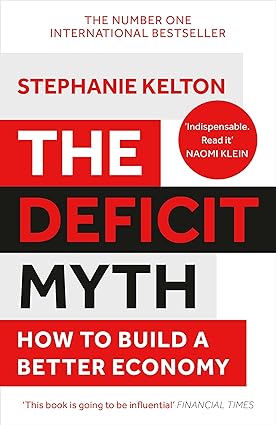
The Deficit Myth by Stephanie Kelton - Modern Monetary Theory - Paperback - John Murray Press - Economics & Public Policy BookThe Deficit Myth by Stephanie Kelton is a thought-provoking book that rethinks how modern economies work. Drawing on Modern Monetary Theory (MMT), Kelton challenges the conventional wisdom that government deficits are inherently dangerous, arguing instead that they can be powerful tools for funding public services and infrastructure. This paperback edition is a clear and accessible explanation of public finance and economic policy, making it essential reading for anyone interested in these topics. About the book, economist Stephanie Kelton dismantles the idea that government deficits are a looming disaster, showing that for countries that issue their own currency, the true constraint on spending is not a shortage of money but a shortage of political will to invest in the things that matter.5,99 £*Shipping: 2,99 £Secure redirect to the provider


-
How often do insects molt?
Insects molt multiple times throughout their life cycle. The frequency of molting varies depending on the species and the stage of development. For example, a young insect may molt several times as it grows and matures, while an adult insect may molt less frequently, if at all. In general, insects molt to shed their exoskeleton and allow for growth and development. **
-
How often do peacocks molt?
Peacocks typically molt once a year, usually after the breeding season. During this time, they shed their old feathers and grow new ones. The molting process can take several weeks to complete, and during this time, peacocks may appear less vibrant and colorful as their new feathers grow in. Once the molting process is complete, they will regain their full, majestic appearance. **
-
Why doesn't the tarantula molt?
Tarantulas do molt, but they do so less frequently as they age. Young tarantulas may molt several times a year, while older ones may only molt once a year or even less frequently. This is because as they mature, their growth slows down and they reach their full size, so they no longer need to molt as often. Additionally, molting is a risky process for tarantulas, as they are vulnerable to injury or infection during this time, so they may delay molting until it is absolutely necessary. **
-
Is urban design more like city planning or urban development?
Urban design is more closely related to city planning than urban development. City planning focuses on the organization and development of urban areas, including land use, infrastructure, and public spaces, which are all key components of urban design. Urban development, on the other hand, typically refers to the physical construction and economic growth within urban areas, which is influenced by urban design and city planning decisions. Therefore, while urban design is related to both city planning and urban development, it is more aligned with the principles and goals of city planning. **

How often do panther crabs molt?
Panther crabs molt approximately every 4-6 weeks, depending on their age and growth rate. Younger crabs may molt more frequently as they are still growing rapidly, while older crabs may molt less often. Molting is a crucial process for panther crabs as it allows them to shed their old exoskeleton and grow a new, larger one. During molting, the crab is vulnerable to predators and must find a safe place to hide until its new exoskeleton hardens. **
How often does a praying mantis molt?
A praying mantis will molt approximately 6-10 times throughout its lifetime, depending on its species and environmental conditions. Molting is necessary for the mantis to grow and develop, as it allows them to shed their exoskeleton and emerge with a larger one. The frequency of molting decreases as the mantis reaches adulthood, with fewer molts occurring as they reach maturity. **
Top-Angebote
Products related to Molt:
-
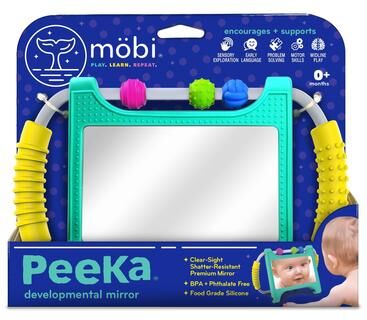
Mobi Peeka Development MirrorPEEKA® developmental mirror was designed by our team of doctors, therapists and parents to help children explore, learn and grow. When you place PEEKA® in the hands of your little ones, you will be amazed at the variety of ways they find to play...26,99 $*Shipping: 0,00 $Secure redirect to the provider
-
ClearBags "#10 Policy Premium Envelopes, Natural 4 1/8"" x 9 1/2"" 50 pack"Natural, Premium Opaque Envelopes feature a smooth and uniform print surface delivers rich and vibrant colors. Natural, Premium Opaque Envelopes provide uncompromising quality and excellent value. FSC and SFI-Certified and endorsed by the Rainforest...27,56 $*Shipping: 0,00 $Secure redirect to the provider
-
ClearBags "#10 Policy Premium Envelopes, White 4 1/8"" x 9 1/2"" 50 pack"White, Premium Opaque Envelopes feature a stellar brightness and balanced white shade. The smooth and uniform print surface delivers rich and vibrant colors. White, Premium Opaque Envelopes provide uncompromising quality and excellent value....24,79 $*Shipping: 0,00 $Secure redirect to the provider
-
Inspire Essentials Sensory Skill Development Kit For Kids Sensory Skill Development Kit For KidsMake learning exciting with this hands on sensory play kit designed to help young children build coordination, confidence, and early developmental skills. This set includes oversized test tubes, colorful silicone droppers, and a durable storage box...34,98 $*Shipping: 0,00 $Secure redirect to the provider
-
Can crabs molt?
Yes, crabs can molt. Molting is the process by which a crab sheds its old exoskeleton and grows a new one. This is necessary for the crab to grow, as its exoskeleton does not grow with its body. During molting, the crab will be vulnerable to predators until its new exoskeleton hardens. **
-
How do chickens molt?
Chickens molt by shedding their old feathers and growing new ones. This process typically occurs once a year and can last several weeks. During this time, chickens may appear scruffy and may stop laying eggs temporarily as their bodies focus on regrowing feathers. Providing a balanced diet rich in protein and ensuring they have access to clean water can help support chickens through the molting process. **
-
How often do insects molt?
Insects molt multiple times throughout their life cycle. The frequency of molting varies depending on the species and the stage of development. For example, a young insect may molt several times as it grows and matures, while an adult insect may molt less frequently, if at all. In general, insects molt to shed their exoskeleton and allow for growth and development. **
-
How often do peacocks molt?
Peacocks typically molt once a year, usually after the breeding season. During this time, they shed their old feathers and grow new ones. The molting process can take several weeks to complete, and during this time, peacocks may appear less vibrant and colorful as their new feathers grow in. Once the molting process is complete, they will regain their full, majestic appearance. **
Similar search terms for Molt
-
Yellow Kite Food Fix by Mark Hyman MD - Paperback - Food Policy, Health & Environment Non-Fiction BookFood Fix by Mark Hyman is a non-fiction paperback book that explores the connection between food and the crises facing society. Written by New York Times best-selling author and physician Mark Hyman, this book argues that fixing our broken food system could have a positive impact on our health, local economies, communities, and the planet. In Food Fix, Hyman lays bare how industrial food and agriculture systems are shaped by powerful financial interests, driving issues such as obesity and type 2 diabetes. This book is essential reading for anyone concerned about the intersection of food, health, and the environment.3,49 £*Shipping: 2,99 £Secure redirect to the provider
-
The Deficit Myth by Stephanie Kelton - Modern Monetary Theory - Paperback - John Murray Press - Economics & Public Policy BookThe Deficit Myth by Stephanie Kelton is a thought-provoking book that rethinks how modern economies work. Drawing on Modern Monetary Theory (MMT), Kelton challenges the conventional wisdom that government deficits are inherently dangerous, arguing instead that they can be powerful tools for funding public services and infrastructure. This paperback edition is a clear and accessible explanation of public finance and economic policy, making it essential reading for anyone interested in these topics. About the book, economist Stephanie Kelton dismantles the idea that government deficits are a looming disaster, showing that for countries that issue their own currency, the true constraint on spending is not a shortage of money but a shortage of political will to invest in the things that matter.5,99 £*Shipping: 2,99 £Secure redirect to the provider
-
Playful Picks Intelligent Escaping Toy Interactive Baby Development Toy Intelligent Escaping Toy Interactive Baby Development ToyIntelligent Escaping Toy The Ultimate Interactive Baby Development ToyDont let your toddlers get glued to mobile screens; introduce them to the Intelligent Escaping Toy, the perfect alternative that promotes healthy growth and development. Unlike...29,97 $*Shipping: 0,00 $Secure redirect to the provider
-
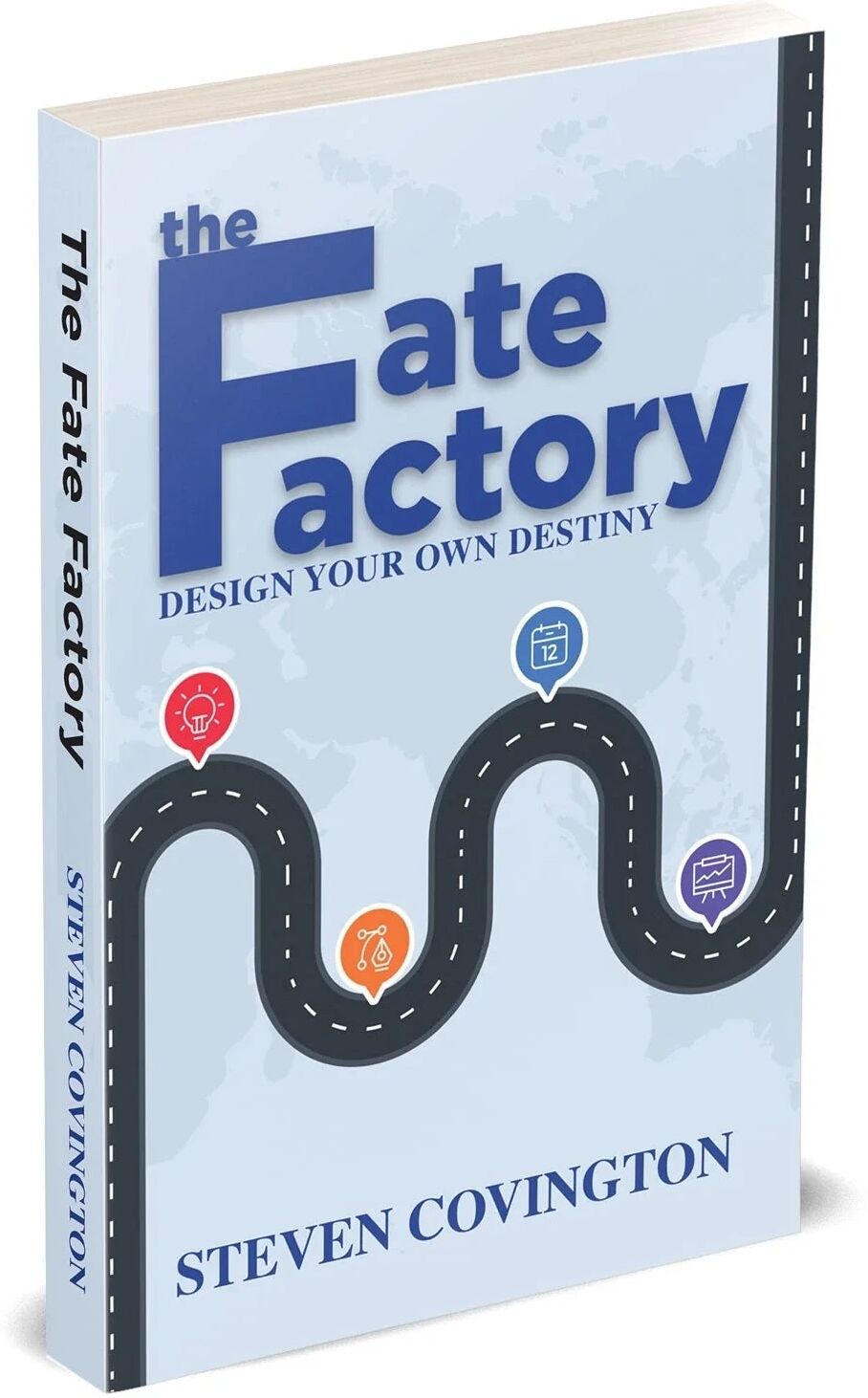
Rupa Publications The Fate Factory: Design Your Own Destiny by Steven Covington - Non Fiction Paperback - Personal Development & Decision-Making GuideDiscover a bold and practical guide to personal empowerment with The Fate Factory: Design Your Own Destiny by Steven Covington. This non-fiction paperback, published by Rupa Publications, offers a no-nonsense approach to achieving success. Covington, a veteran strategic advisor, argues that every decision shapes your future and that luck is not a reliable factor. He challenges readers to take deliberate control of their choices, careers, and relationships by making informed decisions day by day. This book is ideal for those seeking grounded thinking and practical advice on how to build their own fate.2,99 £*Shipping: 2,99 £Secure redirect to the provider
-
Why doesn't the tarantula molt?
Tarantulas do molt, but they do so less frequently as they age. Young tarantulas may molt several times a year, while older ones may only molt once a year or even less frequently. This is because as they mature, their growth slows down and they reach their full size, so they no longer need to molt as often. Additionally, molting is a risky process for tarantulas, as they are vulnerable to injury or infection during this time, so they may delay molting until it is absolutely necessary. **
-
Is urban design more like city planning or urban development?
Urban design is more closely related to city planning than urban development. City planning focuses on the organization and development of urban areas, including land use, infrastructure, and public spaces, which are all key components of urban design. Urban development, on the other hand, typically refers to the physical construction and economic growth within urban areas, which is influenced by urban design and city planning decisions. Therefore, while urban design is related to both city planning and urban development, it is more aligned with the principles and goals of city planning. **
-
How often do panther crabs molt?
Panther crabs molt approximately every 4-6 weeks, depending on their age and growth rate. Younger crabs may molt more frequently as they are still growing rapidly, while older crabs may molt less often. Molting is a crucial process for panther crabs as it allows them to shed their old exoskeleton and grow a new, larger one. During molting, the crab is vulnerable to predators and must find a safe place to hide until its new exoskeleton hardens. **
-
How often does a praying mantis molt?
A praying mantis will molt approximately 6-10 times throughout its lifetime, depending on its species and environmental conditions. Molting is necessary for the mantis to grow and develop, as it allows them to shed their exoskeleton and emerge with a larger one. The frequency of molting decreases as the mantis reaches adulthood, with fewer molts occurring as they reach maturity. **
* All prices are inclusive of VAT and, if applicable, plus shipping costs. The offer information is based on the details provided by the respective shop and is updated through automated processes. Real-time updates do not occur, so deviations can occur in individual cases. ** Note: Parts of this content were created by AI.